

Hand, Wrist & Upper Extremity Care
Restoring Function. Rebuilding Lives.
Specialized Expertise—focused exclusively on hand, wrist & upper extremity care.

In Partnership with Capital Surgeons Group
Dedicated to Getting You Back to Living Life Fully
An injury to your hand, wrist, or arm can impact every part of life. Work, hobbies, and daily routines all depend on strength and mobility. When pain or limited function interferes, you need more than treatment—you need restoration.
Dr. Jonathan Lundy, Founder and Lead Surgeon, delivers advanced care in trauma, reconstruction, and complex upper extremity conditions. In partnership with Capital Surgeons Group, patients benefit from a broad network of surgical expertise combined with the personalized, compassionate attention of a specialized practice in Austin and surrounding communities. Learn more at the Capital Hand & Wrist Center.
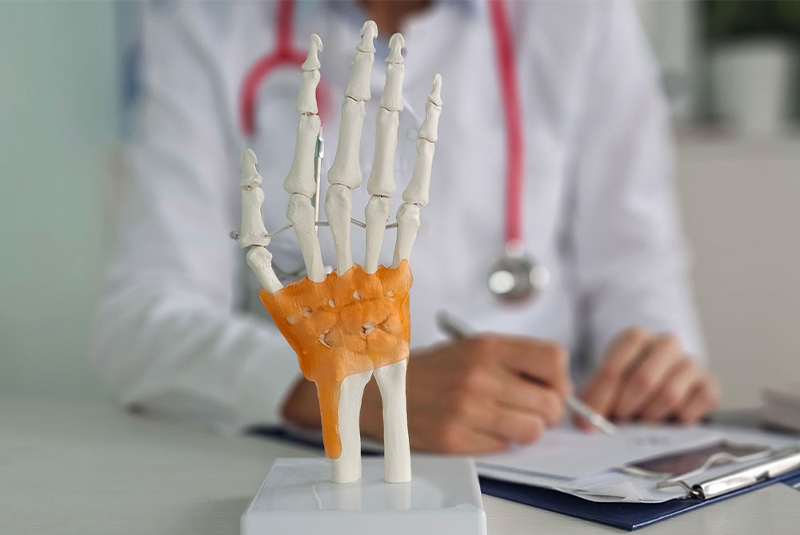



Understanding Hand, Wrist & Upper Extremity Care
Hand, wrist, and upper extremity care focuses on diagnosing and treating conditions that affect the hands, wrists, forearms, elbows, and the surrounding nerves and tendons. These conditions are commonly treated by hand surgeons who specialize in upper extremity surgery.
Specialists evaluate injuries, degenerative conditions, nerve compression disorders, and complex reconstructive problems that affect hand function and mobility. Treatment may include non-surgical therapies, minimally invasive procedures, or advanced surgical techniques designed to restore strength, reduce pain, and improve quality of life.
Patients seeking specialized treatment often consult Dr. Jonathan B. Lundy, whose expertise focuses exclusively on conditions affecting the hand, wrist, and upper extremity.
Let’s Work Together to Get You Back to Living Life Fully.
Conditions & Treatments
Expert Care for the Hand, Wrist, and Upper Extremity.
Capital Hand & Wrist Center provides comprehensive care for the full spectrum of hand, wrist, and upper extremity conditions. From sudden injuries to long-term disorders, our focus is on restoring mobility, relieving pain, and helping every patient return to the activities they love.

Comprehensive care for fractures, arthritis, tendon injuries, nerve conditions, and a wide range of hand, wrist, and upper extremity problems.
Advanced expertise for complex needs, including trauma, congenital differences, pediatric concerns, and reconstructive procedures.
Minimally invasive treatments such as splinting, therapy, injections, and wound care designed to restore function without surgery.
Common Hand & Wrist Conditions
Conditions affecting the hand, wrist, and upper extremity can result from injury, repetitive strain, arthritis, nerve compression, or degenerative changes. These conditions can interfere with strength, coordination, and everyday activities.
Common conditions treated by specialists include:
- fractures of the hand and wrist
- tendon injuries affecting finger or wrist movement
- nerve compression disorders such as carpal tunnel syndrome
- arthritis affecting hand and wrist joints
- ligament injuries and joint instability
- congenital hand differences
- traumatic injuries requiring reconstructive surgery
Early diagnosis and specialized treatment help restore mobility and prevent long-term functional limitations.
Symptoms of Hand and Wrist Conditions
Symptoms involving the hand, wrist, or upper extremity may develop gradually or occur suddenly after an injury. Recognizing early warning signs can help patients receive timely care and avoid worsening damage.
Common symptoms include:
- pain in the hand or wrist
- numbness or tingling in the fingers
- weakness in grip strength
- swelling or stiffness in the joints
- difficulty moving the fingers or wrist
- reduced hand coordination
If these symptoms persist or worsen, evaluation by a specialist may be recommended.
When Should You See a Hand Surgeon?
You should consider seeing a hand surgeon if symptoms affecting your hand, wrist, or upper extremity persist or interfere with daily activities. Early evaluation by a specialist can help diagnose the underlying cause and prevent worsening damage.
Medical evaluation may be recommended if you experience:
- persistent hand or wrist pain
- numbness or tingling in the fingers
- weakness in grip strength
- difficulty moving fingers or the wrist
- swelling or stiffness that does not improve
- pain or limited movement after an injury
A specialist such as Dr. Jonathan B. Lundy can evaluate these symptoms and recommend the most appropriate treatment, which may include non-surgical therapies, minimally invasive procedures, or surgical intervention when necessary.