
Hiatal Hernia
Hiatal hernia is a condition in which part of the stomach pushes through the diaphragm into the chest cavity. It is a common underlying cause of GERD (acid reflux), and in many cases, surgical repair is necessary to restore normal anatomy and prevent ongoing reflux.
At Capital Surgeons Group, we specialize in treating GERD and hiatal hernia using advanced, minimally invasive techniques, including robotic-assisted surgery and the LINX procedure.
Acid Reflux Surgery / Hiatal Hernia Repair / LINX
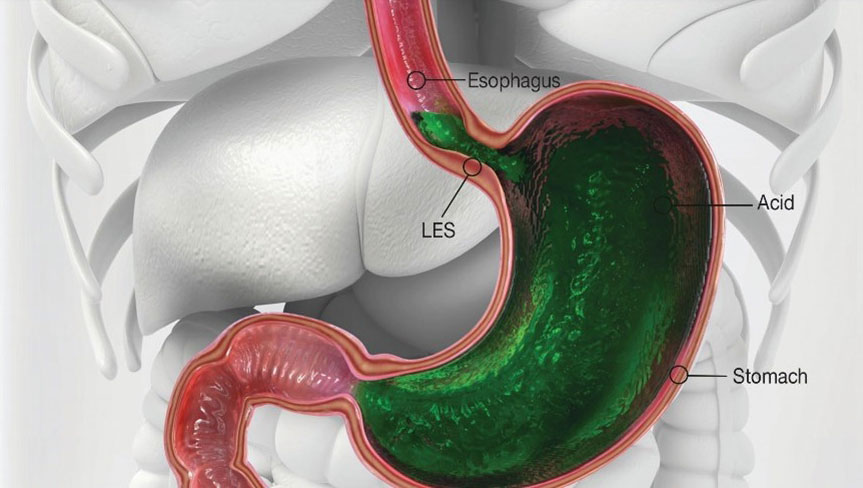
When stomach acid flows back into the esophagus, it causes acid reflux. Chronic or severe reflux is known as GERD (gastroesophageal reflux disease).
While medications may help manage symptoms, they do not correct the underlying cause. Surgical treatment is a minimally invasive and effective solution designed to stop reflux and restore normal function.
Hiatal hernia is often caused by weakened tissue at the diaphragm. Surgical repair restores proper anatomy and prevents the stomach from pushing into the chest.
What Is GERD Surgery?
GERD surgery is designed to stop acid reflux by restoring the function of the lower esophageal sphincter (LES) and correcting anatomical issues such as a hiatal hernia.
The goal is to prevent acid from entering the esophagus, eliminate symptoms, and improve long-term quality of life.
Why Choose Surgery for Chronic GERD?
GERD surgery may be recommended when:
- Symptoms persist despite medication
- You experience regurgitation or nighttime reflux
- A hiatal hernia is present
- You want to avoid long-term medication
Surgery treats the root cause of reflux, not just the symptoms.
Surgical Options to Treat GERD
Hiatal Hernia Repair
Repairs the diaphragm opening and repositions the stomach to prevent reflux caused by anatomical disruption.
LINX Procedure
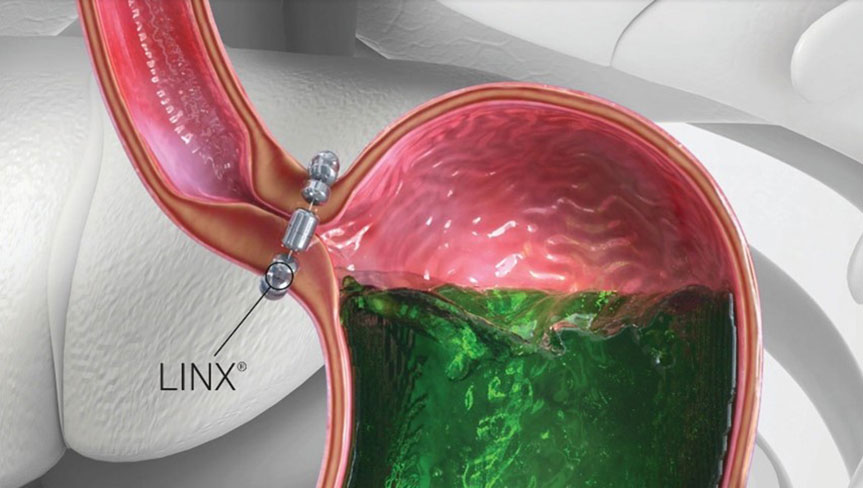
A small magnetic ring is placed around the lower esophageal sphincter (LES) to strengthen it and prevent acid reflux while allowing normal swallowing.
- Minimally invasive
- Fast recovery
- Preserves natural function
Fundoplication Surgery
The upper portion of the stomach is wrapped around the esophagus to reinforce the valve and prevent reflux.
- Proven long-term solution
- Reduces or eliminates medication
To determine if surgery is appropriate, Capital Surgeons Group performs advanced diagnostic testing to evaluate reflux severity and esophageal function.
Testing may include:
- pH testing – Measures how much stomach acid is reaching the esophagus
- Endoscopy (EGD) – Allows direct visualization of the esophagus and stomach to identify hiatal hernias and signs of reflux damage
- Manometry – Evaluates esophageal muscle function and pressure
- Barium Swallow – Provides imaging of the esophagus and stomach to assess hernia size and swallowing function
Surgical Treatment Options for GERD
Capital Surgeons Group offers advanced, minimally invasive surgical options to treat GERD and correct the underlying cause of acid reflux. Each approach is selected based on your condition, anatomy, and long-term treatment goals.
For a full overview of available GERD treatment options, including non-surgical and surgical approaches, visit our dedicated treatment page.
Benefits of GERD Surgery
GERD surgery, including robotic-assisted procedures and the LINX system, provides long-term relief by treating the underlying cause of acid reflux rather than just managing symptoms.
Key Benefits
- Long-term relief
Effectively reduces or eliminates chronic symptoms such as heartburn, acid reflux, and regurgitation - Reduced or eliminated medication use
Many patients are able to decrease or stop long-term reliance on acid-reducing medications - Improved quality of life
Relief from daily discomfort, better sleep, and fewer dietary restrictions - Minimally invasive approach
Smaller incisions, less pain, and faster recovery with laparoscopic and robotic techniques
What You Need to Know
- GERD is caused by acid reflux due to a weakened LES or hiatal hernia
- Surgery treats the root cause, not just symptoms
- LINX and fundoplication are leading surgical options
- Minimally invasive techniques allow faster recovery
- Many patients reduce or eliminate medication
Who This Treatment Is For
- Patients with chronic acid reflux
- Individuals with hiatal hernia
- Patients not responding to medication
- Those seeking long-term relief
Take the Next Step Toward Relief
If you are struggling with chronic GERD symptoms, a surgical solution may provide lasting relief.
Schedule a consultation with Capital Surgeons Group to determine the best treatment option for your condition.
Frequently Asked Questions About GERD Surgery
Robotic Hernia Surgery: What You Need to Know
Ventral Hernia Treatment and
Surgical Options
Learn about ventral hernias, including their causes, symptoms, and treatment options. Discover the different types of hernia repair procedures and how to recover from surgery. [...]
Inguinal Hernia Treatment
Inguinal hernia, a common medical condition that can cause discomfort, pain, and other complications. Learn more about the causes, symptoms, and treatment options for inguinal hernia. [...]
Overcoming GERD
and Hiatal Hernia
Capital Surgeons Group specializes in the treatment of GERD, including minimally invasive surgery for hiatal hernia repair and the LINX procedure. Learn more about GERD surgery and its benefits for patients with chronic GERD symptoms. [...]