

A Calm Guide to Making the Decision
Considering surgery can feel overwhelming, and it’s normal to wonder if you truly need an operation or if there are other options. This guide is designed to walk you through the key questions to ask, what to expect with pain and recovery, and how our team can help you choose the safest, most appropriate path for your health—whether that includes surgery or not.
Why this Question Matters
Wondering if you really need surgery is normal. Surgery is a big decision, and having a clear, structured way to think through it can make the whole process less overwhelming and more manageable.
Understand the Goal of Surgery
Start by asking your surgeon, “What problem is this operation trying to fix?” In most cases, the goal is one of three things:
to relieve symptoms,
to prevent a serious complication,
or to treat a condition that is already dangerous.
Knowing which of these applies to you makes it easier to weigh the potential benefits of surgery against the risks and recovery.
Ask About All Alternatives
For many conditions, surgery is one option on a spectrum rather than the only choice. Other possibilities can include watchful waiting, medications, lifestyle changes, physical therapy, or interventional procedures. Ask specifically,
“What happens if I wait?” and
“Is there a non‑surgical option, and how does its success rate compare?”
For some problems, waiting is safe; for others, delaying treatment can increase the risk of complications or make surgery more difficult later.
What About Pain and Minimally Invasive Surgery?
Pain is one of the biggest worries patients have about surgery. It helps to know that many procedures today are done using minimally invasive techniques—such as robotic hernia surgery or laparoscopic procedures—which typically use smaller incisions, cause less tissue trauma, and often lead to less pain and a quicker recovery compared with traditional open surgery. Your surgeon can explain whether a minimally invasive approach is appropriate for your condition and what that means for your comfort and recovery.
At Capital Surgeons Group, we use Enhanced Surgical Recovery (ESR), also known as Enhanced Recovery After Surgery (ERAS). ERAS is a set of evidence‑based steps before, during, and after your operation designed to reduce pain, limit the need for strong opioids, and help you get back on your feet sooner. ERAS protocols may include better pre‑operative nutrition, modern anesthesia and nerve‑block techniques, earlier movement after surgery, and a structured plan for transitioning from stronger pain medicine to milder options. For you, that means less time in bed, a faster return to normal activities, fewer complications, and a smoother overall experience.
Clarify Your Personal Risk
No two patients have the same surgical risk. Age, heart and lung health, diabetes, weight, smoking history, and other conditions all influence the chance of complications. It is completely reasonable to ask, “Given my specific health, how risky is this operation for me?”
Many hospitals and surgical teams now use risk calculators and checklists to estimate the likelihood of problems like infection, blood clots, or serious complications, and to plan ways to lower those risks ahead of time. The exact risks depend on your health and the type of operation, which is why your team reviews your medical history and may order tests beforehand.
How do I Prepare My Body for Surgery?
You can often improve your safety by stopping smoking, optimizing blood sugar if you have diabetes, staying active, eating a balanced diet, and following any instructions about medications. Good sleep and managing stress also help your body handle surgery and recovery better.
What Can I Do at Home to Make Recovery Easier?
Before surgery, set up a safe, clutter‑free space, arrange help with meals, rides, and heavy chores, and make sure needed items are within easy reach. Having a simple plan for pain meds, wound care, and follow‑up appointments can make the first days at home much smoother.
Understand Recovery, Not Just the Day of Surgery
Patients often focus on the day of surgery itself, but most of what you will experience happens afterward. Ask your surgeon and care team about how long you are likely to stay in the hospital, what kind of pain to expect and how it will be controlled, and when you can drive, return to work, and start exercising again. If the same operation can be done either open or minimally invasive, recovery time, pain levels, and time off work can be very different. Knowing this upfront helps you plan your home support, work schedule, and daily responsibilities.
How do I Know if Something is Wrong after Surgery?
Warning signs can include worsening pain that does not improve with medication, fever or chills, redness or pus at the incision, trouble breathing, chest pain, or leg swelling. Your discharge instructions should clearly list when to call the office and when to seek emergency care.
Ask About Scars and Surgical Approach
Modern surgery offers several approaches: open, laparoscopic, and robotic. Each technique has advantages and trade‑offs, depending on your diagnosis, anatomy, and medical history. It is appropriate to ask, “What technique will you use, why, and what will my incisions look like?” For many patients, fewer and smaller incisions mean less pain and faster recovery, but your surgeon’s first priority is choosing the approach that is safest and most effective for your particular situation.
Weigh Long‑term Results and the Chance of Needing More Surgery
Some operations fix a problem permanently, while others reduce risk or slow the progress of a disease. A helpful question is, “What are the chances I’ll need another surgery or have long‑term issues?” Understanding recurrence rates, the possibility of future procedures, and the likely long‑term outcomes helps you decide whether having surgery now is the right move or whether a non‑surgical path makes more sense for you.
When to Seek a Second Opinion
If you still feel uncertain, a second opinion can provide clarity and peace of mind. Look for a surgeon who regularly performs the type of operation you are considering. Bring your imaging, test results, and list of questions, and ask the same things you asked your first surgeon. When two experienced surgeons give similar recommendations, most patients feel more confident moving forward—or more comfortable choosing to wait.
Turning Anxiety Into a Plan
You may never feel excited about surgery, but you can feel informed, supported, and prepared. Writing your questions down, bringing a family member or trusted friend to your visit, and asking for clear written instructions can turn anxiety into a practical plan. The goal is not to eliminate every trace of fear, but to make sure you are making a decision from a place of understanding rather than worry alone.
Moving You Forward to Health
At Capital Surgeons Group, our purpose is moving you forward to health, whether that means recommending surgery or helping you find the safest non‑surgical path. Our role is to guide you through your health challenge, explain your options in plain language, and walk beside you as you decide what is right for your body, your life, and your goals. Even when surgery is not the answer, you still deserve a clear plan and a team committed to helping you take the next step toward feeling better.
Ready to Take the Next Step?
If you’re still wondering whether surgery is the right choice, the best next step is a conversation.
A thorough consultation gives you the opportunity to review your diagnosis, talk through your options, and understand what makes the most sense for your specific situation. Sometimes surgery is the right answer. Other times, there may be safe and effective non-surgical alternatives. The goal is to make a decision based on clear information—not pressure or fear.
The team at Capital Surgeons Group takes the time to explain your condition in plain language, outline the risks and benefits, and answer your questions honestly. Our role is to help you feel informed and supported so you can move forward with confidence.
If you’re ready for clarity about your options, schedule a consultation and let’s take the next step together.
Frequently Asked Questions About Deciding on Surgery
You May Also Like

Make an informed, confident decision about surgery by understanding your options, risks, recovery, and whether a non-surgical path may be right for you. [...]
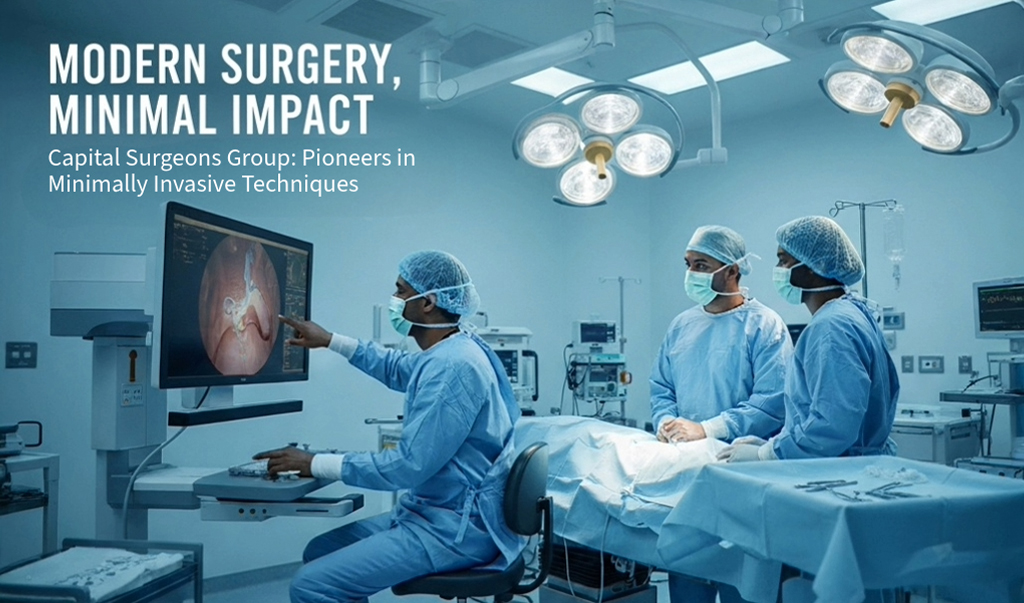
Experience minimally invasive surgery at Capital Surgeons Group, combining advanced robotic and laparoscopic techniques for faster recovery and less pain. [...]
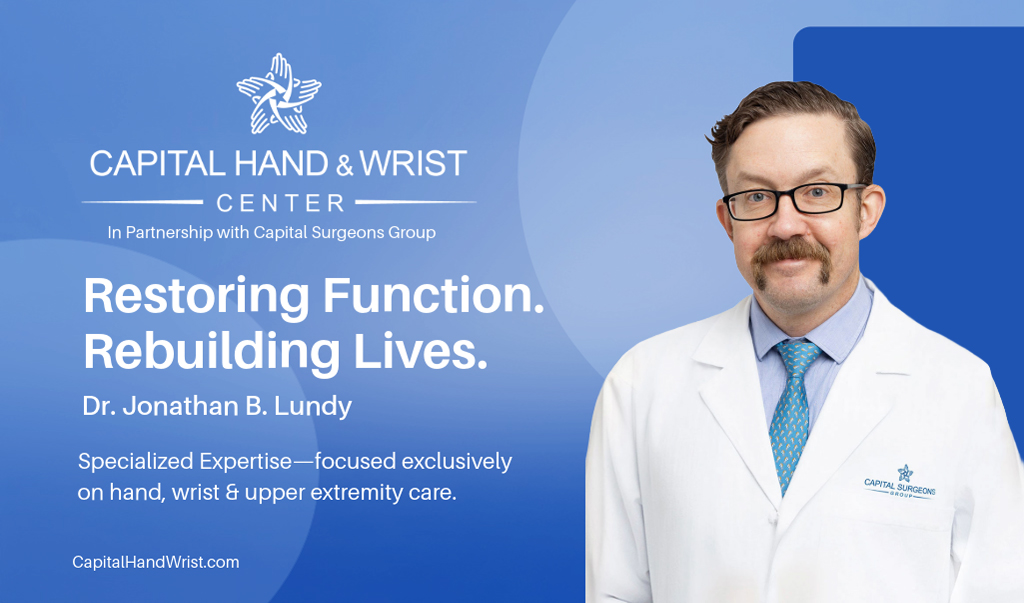
Capital Hand & Wrist Center, led by Dr. Jonathan Lundy, provides expert, compassionate care for hand, wrist, and upper extremity conditions in Austin. [...]

GLP-1 drugs offer non-surgical weight loss, while bariatric surgery provides lasting metabolic changes—we break down which option suits different needs. [...]
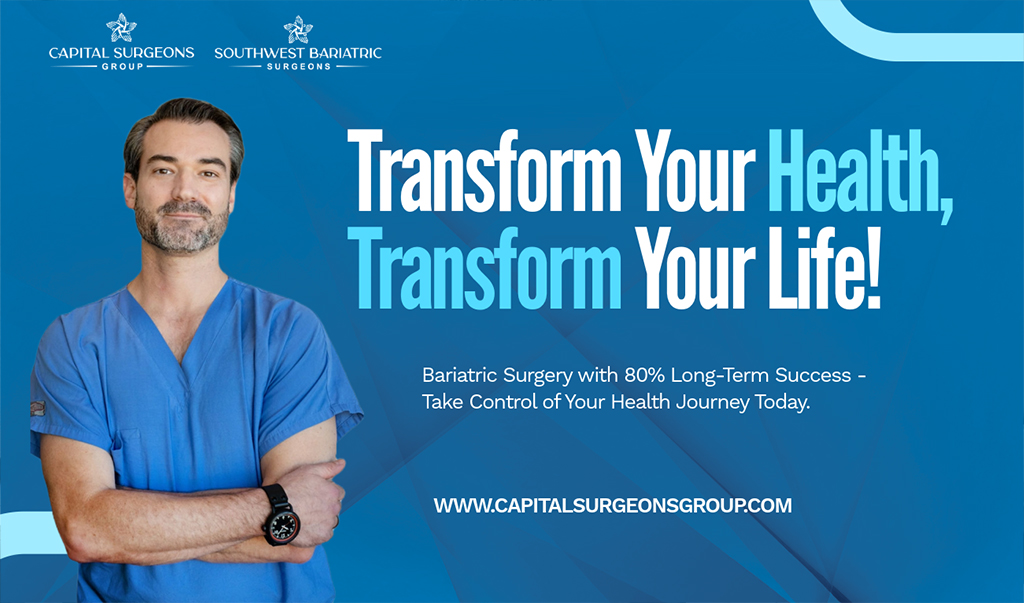
Discover how bariatric surgery offers 80% long-term success and can reverse chronic conditions like diabetes and sleep apnea. [...]

Understand how excess weight affects heart disease, life expectancy, and daily function—and how surgical treatment can change the trajectory. [...]

Learn why bariatric surgery offers lasting, life-changing weight loss and significant health benefits beyond medications. [...]
General Surgery: What You Need to Know
Transformative Solutions
for GERD
Explore in detail the advanced surgical options offered by our skilled surgeons at Capital Surgeons Group, highlighting the benefits of each procedure and emphasizing the precision, innovation, and patient-centric care that defines our approach. [...]
Why Choose Surgery
for Chronic GERD?
Discover why surgery might be the right choice for chronic GERD and explore advanced options. Learn about the limitations of non-surgical approaches and the benefits of choosing surgery for long-term symptom relief, reduced reliance on medications, and improved quality of life. [...]
Surgery vs. Long-Term Medication
Examine the downsides of prolonged use of heartburn medications, including the risks associated with dependency, and consider how surgical interventions present a more enduring solution to the fundamental problems. [...]
Laparoscopic Cholecystectomy
Explore the hidden details of laparoscopic cholecystectomy, a cutting-edge approach to gallbladder removal. Discover the benefits of this minimally invasive technique, and learn what to expect throughout your surgical journey. [...]
Da Vinci Robotic Cholecystectomy
Experience advanced care through Da Vinci Robotic Cholecystectomy, a cutting-edge solution leading the way in medical innovation. Ensuring precision and effectiveness, it stands at the forefront of treating Gallbladder Disease. [...]
Benefits of Cholecystectomy
Discover the transformative benefits of cholecystectomy, a surgical solution offering relief from gallbladder pain, prevention of recurrent gallstones, and improved digestive health. Explore the holistic enhancements to quality of life. [...]
Understanding
Gallbladder Disease
Discover the complexities of gallbladder disease and learn how Capital Surgeons Group stands out in its expertise, providing unparalleled understanding, precise diagnosis, and effective treatment for this widespread ailment. [...]
Cholecystectomy:
Gallbladder Removal Surgery
Advancements in surgical techniques have made cholecystectomy a highly effective treatment for gallbladder problems. Explore minimally invasive options like laparoscopic and robotic cholecystectomy for faster recovery and improved outcomes. [...]
Ventral Hernia Treatment and
Surgical Options
Learn about ventral hernias, including their causes, symptoms, and treatment options. Discover the different types of hernia repair procedures and how to recover from surgery. [...]
Inguinal Hernia Treatment
Inguinal hernia, a common medical condition that can cause discomfort, pain, and other complications. Learn more about the causes, symptoms, and treatment options for inguinal hernia. [...]
Overcoming GERD
and Hiatal Hernia
Capital Surgeons Group specializes in the treatment of GERD, including minimally invasive surgery for hiatal hernia repair and the LINX procedure. Learn more about GERD surgery and its benefits for patients with chronic GERD symptoms. [...]